Category Archives: Uncategorized

Taking time out

When was the last time you actually did nothing ? Not reading, working, gardening, sleeping, cooking etc just literally sat down and did no thing which is what doing nothing is all about.

Our bodies and minds need time out from the frantic pace of life and yet there is often a guilty feeling associated with just sitting down doing nothing. I know there are many things that we do for relaxation such as reading, arts etc but this still requires us to to engage with some action whereas doing nothing asks no more that to be. Be present with your body as it is and the breath. It can be challenging. We fidget, notice the mind swirling with thoughts and start planning our next activity etc but it is worth persevering with the practice and noticing the discomfort that arises. After a while the process becomes easier and you will find yourself feeling a lot more rested and refreshed than if you had been relaxing with a book or watching an interesting show.

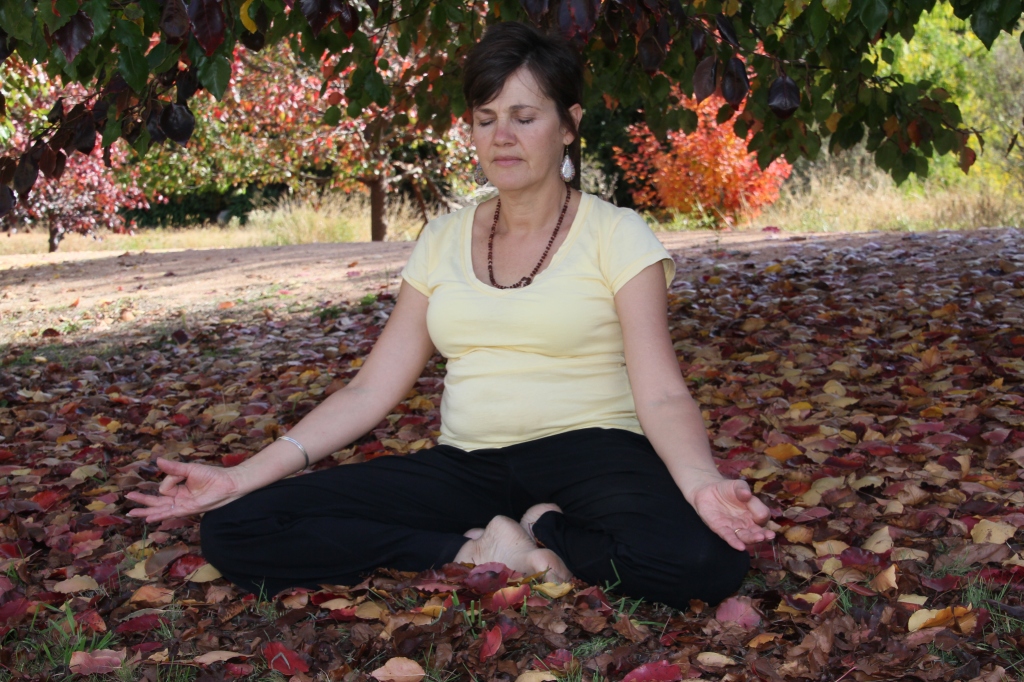
The first step is in stilling the body and allowing yourself to be exactly where you are. Noticing where you are and how you are sitting. The next step is to become aware of your breathing. Examining the depth, speed, temperature etc of your natural breath. Then you can employ either a count of the breath or a simple mantra to keep the mind from wandering as you watch your breath. You only need to practice for short time 5 or 10 mins. Try practising this a few times a week and see how it works for you. I would be interested in your feedback.

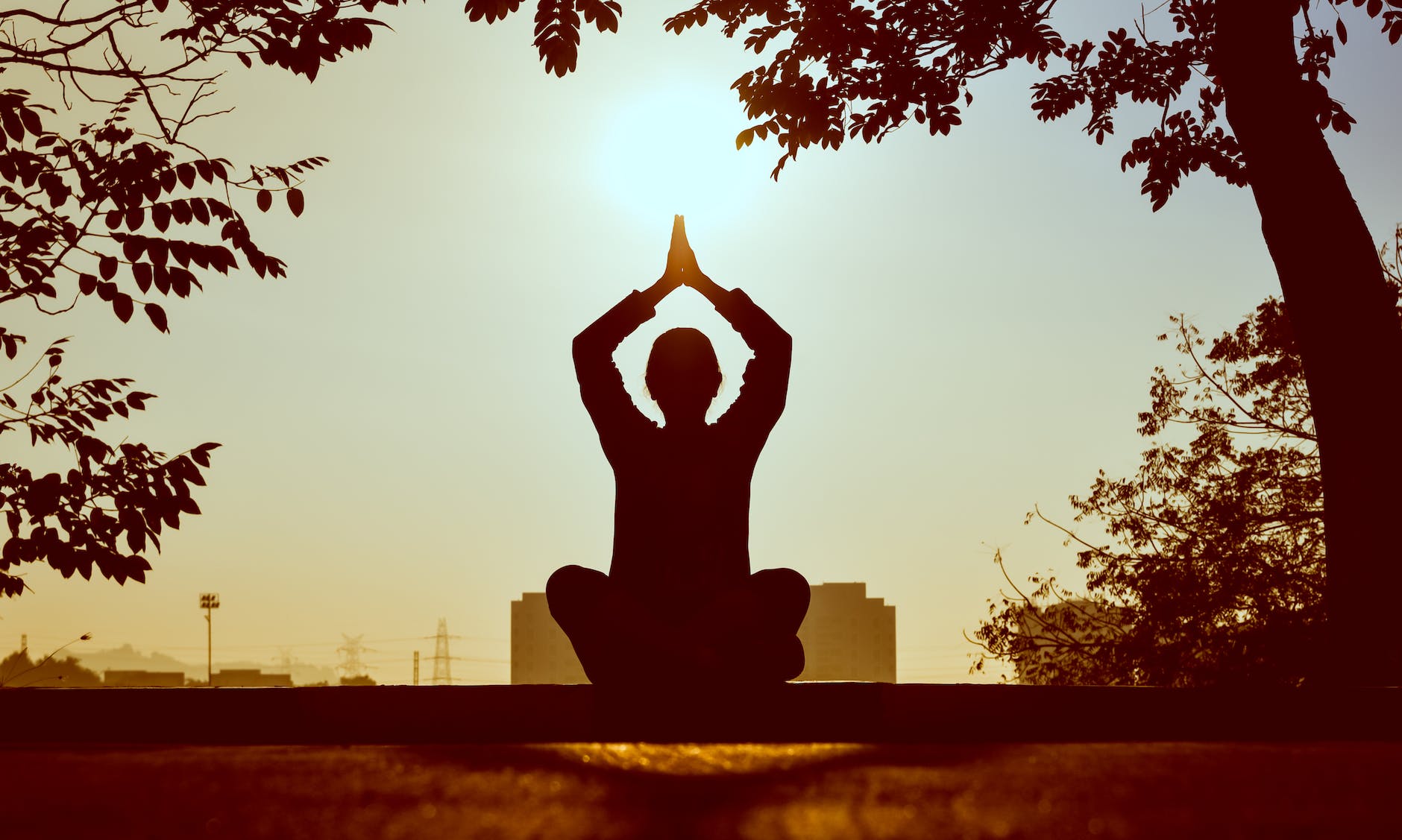
Here is a little guided session to get you started.

Om Shanti

Shakti

In the same way there are specific asanas that help to boost the digestive fire and release blocked energy within the body. Some of these practices are known as the Shakti Bandha practices , where bandha is seen as a lock or block that can be moved . An excellent example of this is the wood chop pose or Kashtha Takshanasana . Other practices include Nauka Sanchalanasana or rowing the boat, Chakki Chalanasana (churning the mill) to name a few. Both of these practices are excellent for stimulating the digestive system.

Practising Salute to the sun ( Surya Namaskar) or Salute to the moon (Chandra Namaskar) can also be great ways to keep the body moving as the weather cools down.

It is also a good time to consider the cleansing practices of Neti ( nasal washing) and Kapalbhati a breathing practice designed to increase heart rate, and improve blood circulation and oxygen levels. It can increase lung strength and function and clear the nasal passages of any congestion. It helps tone the muscle of the abdomen while providing good stimulation to the internal abdominal organs.

For more information on these practices have a chat to your yoga teacher and pop in to a class. I have new classes commencing on the 16th April and we will certainly be working through some of these practices.

At this time of year all you need is presence not presents!

Another year has flown by and we may find ourselves caught up in the rush to get things done or ready. Often we can place enormous pressure on ourselves and others without realising it until we collapse sometime Christmas afternoon! 

Yoga is a reminder that even though things seem to be speeding up we can slow down. It is OK to take time out, to say no thanks and just spend time with the breath. Even a few minutes each day of sitting quietly and watching where you feel the breath, focusing in the movement of the body with the breath can make a great deal of difference with how we manage what is often referred to as the “silly season”.

I guess it gets this name because we can go a little “silly” trying to keep up with our own or others expectations but life is not really about keeping up it is about being present. If we are so busy rushing to get to everything, buy everything, see everyone, finish everything in those last few weeks of the year all we will remember is the rushing. We will miss the little pockets of joy that make Christmas special.

Take a moment to imagine yourself a child again and see it through the eyes of that child. The wonder of the warm summer evenings, the smell of a Christmas tree, the twinkling of Christmas lights, the taste of a few special treats, the closeness of friends and family. Forget about buying presents and offer your presence to others and be with the people you know and perhaps strangers in need of kindness. Be kind to yourself and take those few moments to be fully in your body and sit with your breath . Maybe even do a regular yoga nidra.

wishing you all a safe and restful festive season

Here is a little present presence for you Om Shanti

International Yoga Day 2023

June 21st marks International Yoga Day for this year coinciding as per usual with the winter solstice for those of us in the southern hemisphere and the summer one for those of you in the northern hemisphere.

The theme for this year is Vasudhaiva Kutumbakum. It is a Sanskrit phrase found in Hindu texts such as the Maha Upanishad which means “The World is One Family”. Vedic tradition mentions ” Vasudhaiva Kutumbakum” meaning all living beings on the earth are family. Now that might be something worth celebrating and acknowledging in a world that often seems so troubled!

I hope you can find something in your local area to participate in as part of this celebration. Here in Beechworth we will be having a free community relaxation session with the very special practice of Yoga Nidra for all who wish to try it. If you live nearby why not come along to the the Quercus Neighbourhood centre Weds evening at 5.30pm for half an hour ? Bring something warm to snuggle under and your yoga mat and perhaps bring a friend! For more information please email .

Time for change

Have you been feeling a little tired lately ? The change of seasons can often affect us in very subtle and sometimes not so subtle ways. Sometimes it is hard to adjust and the body and mind need a little catch up time to get there.

Here is Australia the evenings are cooler as are the early mornings but we can still have some quite hot days. I gather that in the northern hemisphere it is still quite cold in many places and you are longing for the warmth of spring sunshine. Once again I am looking into my yoga toolbox to help me adjust and you might like to as well.

For those of us “down under” getting into some more dynamic practices like Salute to the Sun will help to get you going in the cooler mornings and if this is not something that you are ready to practice you could try practices like Nauka Sanchalanasana or rowing the boat, Utthanasana (squatting and rising ) to get the heart rate up and the prana moving. These would also be useful for cooler mornings up north until the sun is really warming you up.

Cleansing practices like Neti , Kapalbhati, and Lagoo Shankaprakshalana are also suggested by the yogis to help the body cleanse and prepare for the changing seasons. The first practice is a nasal washing practice good for cleansing pollens of springtime or indeed clearing the mucus that can develop with the onset of viruses as you move into cooler weather. The second practice is a breath practice to clear the mind and the third one is used to clear the digestive tract. All of these practices should be taught by a trained yoga teacher before you really attempt them on your own.

Eating according to the season is also something recommended so moving away from the heavier winter foods in the north to lighter meals whilst those in the southern hemisphere may be drawn to more easily digested soups and dhal, away from the many salads and lighter food we have been eating.

Last but certainly not least would be incorporating a regular yoga nidra practice (for more on yoga nidra see blog post Yoga Nidra) into your day. Disturbed sleep can leave you tired and cranky but a 15 min yoga nidra will leave you refreshed and completely relaxed. If you haven’t tried it yet then please give this little offering a go.

Changing seasons

It has been a while since my last post but life as always throws curved balls your way and plans are often destined to change to meet current needs.  As I sit here and write this I am gazing at the glorious colours of  autumn here in the southern hemisphere.  The sky is a brilliant blue and contrasts so beautifully with the reds, yellow and green of autumn.  What has all this got to do with yoga you ask?

Being able to sit in the present moment is very much a part of yoga.  You may have heard  about mindfulness over the last few years.  In fact it is something that everyone is advocating lately.  Well the yogis were practising mindfulness long before this phrase became popular.  What is mindfulness from a yogic perspective?

I personally think of mindfulness as consciousness of the present moment, an awareness of where you are, what you are doing.  It is being awake to life.  Not simply moving through one experience while planning the next or reviewing the last.  It is total presence. So you can be mindfully brushing your teeth, watching leaves blowing in the wind, listening to people who are speaking to you, driving your car or observing your breath.

In yoga we hear about Patanjali’s 8 limbs of yoga which include Dharana and Dyhana ..concentration and absorption.  Dharana where you are relieved of outside distractions and the distractions of the mind (its desire to move between the past and the future)  You keep returning to the single point the present, often using the breath as your anchor.   Dhyana is a refined meditative practice where the mind is totally absorbed in the present.

Both Dharana and Dyhana are developed by building on the earlier 5 limbs of yoga including the Yamas (restraints) the Niyamas (observances), Asana (postures) , Pranayma (breathing practices ) and Pratyahara (withdrawal of the senses). *  For information of the Yamas and Niyamas see blog post DEC 2014  and for those of you familiar with the practice of Yoga nidra you will have experienced Pratyahara or withdrawal of the senses when your yoga teacher gets you to focus first on the sounds in the surrounding area and gradually draws your focus to the inward to the breath , heartbeat.

In this way these previous practices prepare you for  both Dharana and Dhyana the sixth and seventh limbs of yoga according to Patanjali …with the ultimate aim of Samadhi the eight limb pure contemplation …an experience of bliss where you merge with supreme consciousness.

That is not to say that you must complete the first 5 limbs to achieve the 6th and 7th but when you practice asana, pranayama, the yamas and niyamas and pratyhara you are drawn to the others.  Your body is more supple, you understand your breath and the effect it has on mind and vice versa, you treat yourself and others with respect and kindness and you can more readily withdraw yourself from the current going ons.

IMG_1860

Restoration and Hope

2022 has started with a renewed sense of hope even though we all still grapple with the COVID pandemic and we wonder about its longer term implications. The past 2 years have been a time of tension, fear, anger and exhaustion for many and no doubt we will be feeling the effects of this pandemic for some time. How can yoga help?

One of the best things about a yoga practice and lifestyle is its capacity to keep you in the present. As you stretch and move into postures you can focus on breath, the sensations in the body and your emotional state. When we do this the body has a chance to move from the flight and fight response to the rest and recover response. By practising breathing techniques you can learn to calm your breathing and therefore your response to changing stimuli.

If you tune in to the natural rhythms of your body you will find that quiet space that is so essential for maintaining equanimity.

Some practices you could try:

  • breathing deeply in child’s pose
  • sighing out the breath as you swing your arms forward from a standing position
  • resting in Shavasana or legs up the wall
  • using a bolster to support your spine and open your chest in any of the reclined poses like Supta Bhada Konasana
  • constructive rest – lying on your back and using the seat of a chair for your lower legs keeping the knees at right angles

How can yoga help us to instill hope and resilience ? By becoming grounded and strong you can connect to the earth and its rhythms. We can feel the impermanence of all things and learn to adjust to the changes and challenges that life presents us with.

The seven principles of resilience can be interpreted through yoga

  • Cultivate a Belief in Your Ability to Cope. ( you become aware of your physical self, mental self and emotional self – using your resolve or sankalpa to guide you)
  • Stay Connected With Sources of Support. (a yogic community offers support in the practices of yoga and a yogic perspective on things that happen)
  • Talk About What You’re Going Through. ( a yogic community allows one to share life experiences )
  • Be Helpful to Others. ( by practising Karma yoga ..the yoga of service )
  • Activate Positive Emotion (through the chanting of mantra)
  • Cultivate an Attitude of Survivor-ship ( developing confidence in yourself)
  • Seek Meaning ( spending time in meditation )

Be Here

Well 2020 has certainly given us our challenges as we grapple with fires here in Australia and now a global health crisis to send us all back into our homes and many out of work.

It is hard to adjust to the changes we are experiencing at the moment and many people are feeling stressed and anxious about the future. What can yoga teach us about being here – not running away from the present moment to something that has passed or into the future and something that has not eventuated?

To stay in the moment, to just do this minute, this hour, this day . Your yoga practice teaches you just that .. to be in that moment. …to hear your breath and your heartbeat, to feel your muscles moving and stretching, to keep your mind with the practice and notice as it wanders.

Now is the time to draw on your yoga toolbox. The asana, the pranayama, the meditation and deep relaxation that yoga brings.

Some of the asanas I find really helpful are those grounding asanas like the warrior series or Virabhadrasana. This is especially helpful if you can do this outside with your feet grounded into the earth. Inversions are a great way to stimulate blood flow to the brain and boost immunity and confidence. You can do a simple inversion like downward dog or mountain pose (Parvartasana) as we call it in our tradition or a head stand if this is something you are experienced in . Twisting practices stimulate the digestive system and the circulation in general, boosting metabolism. The key to good twists is to keep the spine elongated ..no slumping and exhale with the twisting action ..allow the neck as part of the spine to follow the twist. Let the twist gradually unfold up your spine, as though you were walking up a spiral staircase, so that each vertebra participates in the twist.

Another great asana at this time is the bridge pose or Khanderasana. This gentle backbend allows for the stimulation of the thymus gland as the chin moves toward the chest. The thymus gland is a small organ behind the breastbone that plays an important function both in the immune system and endocrine system. It also calms the body, alleviates stress and opens the heart space.

The best breathing or pranayama practices include Bhastrika (see post from July 21 2014 or bellows breath that stimulates the digestive system and alternate nostril breathing or Nadi Shodana to balance the breath and the mind.

And of course our tool box would not be complete without meditation or a Yoga nidra. I find yoga nidra to be a very essential element to good health. It has the capacity to allow us that deep relaxation and release of mental tensions. In this restorative state, your monkey-mind abates and the body maximizes it’s ability to take in nutrients, regulate hormones and glucose levels, and boost immunity.

So there are many ways in which yoga can help you through this difficult time. Be patient, allow time for slowness and be kind to yourself and others.

Slow Yoga

Hello and thanks again for checking out Beechworth Yoga.   I know my posts have been a bit erratic but felt it best to write only when I had something that I thought was really important to say.

I have been contemplating the question of what has now been coined as slow yoga.  What is slow yoga you say ? Well from my understanding it is a desire to get back to the basics of yoga to develop a practice that allows for reflection.   Postures are held with an emphasis on the breath and allowing yourself to explore the sensations within the body and the fluctuations of mind.   Perhaps it has been a reaction to the westernization of yoga to be another form of exercise to tone and shape albeit with a focus on breath.

We live in a fast paced world where there is pressure to achieve, attain and move on with little opportunity for savouring the experience and yoga is an experience.  It is not something that you do as you would a bike ride or a cross fit class.  It is much more about the way in which something is done and making it a way of living.

To experience yoga in the true sense is to live yoga.  How do you live yoga?  To live yoga you must be prepared to live consciously.  To be aware of the effects of your actions, your thoughts both upon yourself, others and your environment.  You need to discipline yourself to slow down, to find  balance in all things.  To become aware of the effects of all things on your body and mind, from what you eat to what you read.  If this sounds familiar that is because it illuminates Patanjali’s 8 limbs of yoga ..the yamas the nyamas,  ( your ethical practices and and self discipline) asana, ( your movement of the body to enhance it) pranayama, (your control over breath ) pratyahara, (your ability to withdraw the senses) dharana, ( your concentration) dhyana  ( meditation) and finally samadhi. (the state of bliss ..transcendence).

Winter is a great time to reflect on these things..to find the still in your life for yoga is not about the shape of your body but the shape of your life.

100_8696

The Koshas 3

DSC_0857

 Whilst the previous two Koshas, the annamaya and pranamaya koshas are those that create the physical structure the manomaya and vijnanamaya koshas are the mental functions which allow us to deal with the knowledge aspect of being.

Manomaya Kosha is the third layer identified by the ancient yogis as part of the individual’s physiology.   It refers to the mental body, that is the dimension of experience that occurs for individuals on a mental level.

Psychologists identify three aspects of mind – the conscious, sub-conscious and unconscious states.  From a  yogic perspective the mind is divided into 4 parts:

Manas is that part of the mind that responds to sensory input and related to survival therefore this aspect of mind is associated with measuring, judgement, thought and counter thought.

Chitta is that part of mind associated with registering and storing impressions and memory…it is also the basis of the unconscious mind.

Ahamkara is the aspect of mind concerned with identity, the separation of “me and you”

Buddhi which means to know is discrimination, awareness and understanding and assists Manas with the process of rational thinking.

To a large extent the these last three parts are forced to act through the limitations of Manas with our awareness focused on our needs and desires for survival, security and social engagement ..  “trying to work out what’s in it for me ” so to speak.

Through yoga practices such as Pratyhara  ( the withdrawal of the senses in the beginning of yoga nidra, where we disassociate from the outside world ) you are able to become aware of the subtleties of the mind.     NB: You will remember this as that part of the yoga nidra practice where you are encouraged to search out sounds without naming them, gradually drawing the awareness inwards to the internal sounds.

By practising Antar Mouna meditation   ( the witnessing of thought and counter thought) you can also become aware of the workings of the mind and in doing so you can  begin to identify more with the higher aspects of mind.  Once you begin to see how the mind operates it is possible to transform and control thought processes through self-awareness and mindfulness.

Of course working through the other layers or koshas through asana, breathing practices, mantras and cleansing practices will also help to harmonise the mind, so once again yoga gives us many tools to explore the koshas and find balance and equanimity.