Tag Archives: Wellbeing

Yamas and Niyamas

fresh and newWe are almost to the end of another year and many of us are reflecting on the year that was…..What we achieved, what we failed at, how we have changed and in what ways that we  grew ?  So how do we live our best life and what part does yoga play in this?

Perhaps we can look back to the writings of one of the forefathers of yoga Patanjali for guidance here…in his sutras Patanjali suggests that you should follow the eight limbs of yoga.  These eight limbs make up what is known as Raja yoga or (royal yoga).  The eight limbs include Yamas, Niyamas, Asana Pranayama, Pratyahara, Dharana, Dhyana and Samhadhi.

As yoga practitioners we are familiar with the terms, Asana, Pranayama and perhaps even Pratyahara (withdrawal of the senses) but that is only a small part of the system of Raja yoga.  It is interesting to note that Patanjali places Yamas and Niyamas ahead of Asana and Pranayama.  So what are we talking about here and how can  this have any bearing on living our “best life”?

Yamas are guidelines for how we relate to others  — the yoga aspirant becomes aware of others and makes greater demands/disciplines on themselves.  These yamas include satya (truthfulness), ahimsa (non violence), asteya (honesty), aparigraha (non-possessiveness) and brahmacharya (celibacy or non gratification at the expense of others on any level).

Satya here refers not only simply speaking truth but to an awareness of what is correct, right and true as it is manifesting from within and the ability to express it.  Ahimsa or non violence is not just an external act of eliminating violence from our actions but the absence of the violent nature in our personality… with regard to our interactions with others but also ourselves.  Asteya relates to finding the honesty, simplicity and sincerity of our true nature.

Aparigraha or non possessiveness is concerned with non attachment.  When we become attached to people, things, experiences we can become possessive, driven by the ego and selfishness.  This non attachment does not mean not caring but it should not be associated with selfishness and your own desires.  Finally Brahmacharya has often been seen as celibacy but in fact the word literally means higher consciousness …Brahma ( higher reality) and acharya (one who is established in ) and of course one established in higher reality is not stuck in the sensorial realm merely wanting to gratify sensual needs.

The Niyamas are guidelines relating to the self — you understand the self better and become more accepting whilst still working to create a sense of discipline in your  inner life.  The niyamas include shaucha (cleanliness), santosha (contentment), tapas (austerity), swadhyaya (self-study) and ishwara pranidhana (generation of faith).

Here shaucha or cleanliness refers to cleanliness of the body, the mind and the environment.  Santosha  refers to finding happiness with whatever one has and enjoying living in the present moment rather than craving more.  Tapas or austerity means following a process of change or transformation for the better which may involve some sacrifice. (perhaps getting out of bed earlier for your yoga practice!)

Swadhyaya or self-study is becoming aware of our strengths, weaknesses and the individual qualities that make up our personalities…..observing your reactions and actions in the many different situations of life. Ishwara pranidhana is the cultivation of faith in an unmanifest reality which may take on any form but in itself has no name or form or attribute.

So perhaps as you reflect on the year that was you might consider some of the Yamas and Niyamas in your life.  As we move into 2015 you may even  wish to take one of these each month and work on it , meditate on it and find ways to incorporate these ancient teachings to help you create your best life.

Om Shanti and Happy New Year !

Swami Satyananda's Garden in Rikhia

What shapes your life- drama or Dharma?

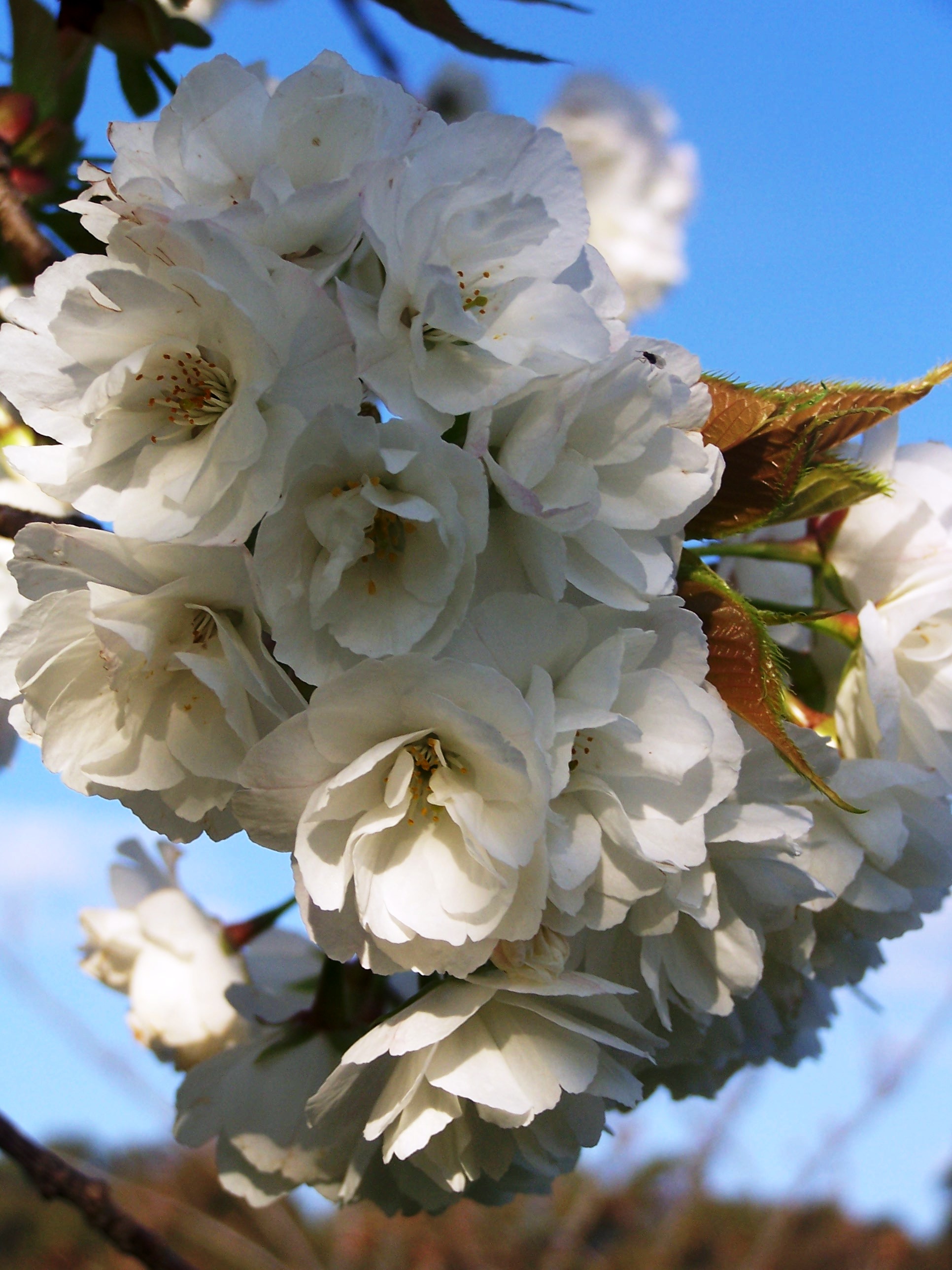
And the blossom unfolds

The blossom unfolds

As the change of seasons continues  I find myself contemplating the wonders of nature.  So much can be learned by spending time in nature and really seeing what is happening.  The birds are being industrious and raising their young, seeds are forging their way through the dark soil to emerge into the light, each plant relishes the cleansing rains, the warmth of the sun, whilst all of the insects are busy going about their business.  What has this got to do with Yoga you ask???

Well I am guessing that the birds here are not worrying about what will happen to themselves or their young in a few days, months, years.  The insects are simply following some inbuilt understanding of what it is they are meant to be doing in their life.  The plants are trusting that the light and the rain will be there to cleanse and nurture them.  Unlike us these living things are not obsessed with “getting it right”,  making sure that they prevent any foreseeable or unforeseeable disasters, or living a life that someone or something else dictates.

In yogic terms they are following their Dharma..they have an intrinsic understanding and trust in their own nature,  something that so many of us sadly lack .  Swami Niranjan said that “Dharma does not mean religion but commitment to the process of attaining total fulfillment………it cannot be understood by the intellect, the limited mind. Dharma is an experience which unfolds spontaneously from within as one begins to understand one’s place in relation to the rest of creation and beyond.”

Of course this would lead you to wonder ” can we ever be totally fulfilled?  What is this total fulfillment that he is talking about?” I think the answer to this is yes.  Total fulfillment is achieved when you become truly aware of yourself..who you really are and your deep connection to all things..your heart is filled with compassion and love….you no longer feel the need to judge, criticise, fear. As my very intuitive daughter once told me ..”things just flow mum when you are on the right path”.  Does this mean you no longer have dramas?  Of course not!  Life by its very nature is colored by birth and death..of people, of dreams, of relationships.  Some of those little birds will not survive very long.  Some of the insects will lose their way and some of the plants will thrive whilst others die off..all of this is perfectly right.  It is our perception or judgement about it that can create the dramas.

How does yoga help us on this path?  To begin with the practice of asana allows us the opportunity for self-study—to observe the effects of the asana on the body..not with the aim of perfecting the pose but of understanding and transforming yourself. Yoga asana begins the inner journey.

By meditating we can observe the mind and this also helps with an understanding of ourselves.  We use pranayama or breathing practices to help balance the body and mind. When we  experience the ups and downs of life we can use these tools to ground ourselves to remind oneself that this too will pass just as the spring which has sprung will pass.

Self discovery…exploring our strengths and weaknesses gives the opportunity for self acceptance and once we begin to accept ourselves without guilt, and frustration we can begin to discover the natural role we have to play in life.  Life becomes more about Dharma than drama!

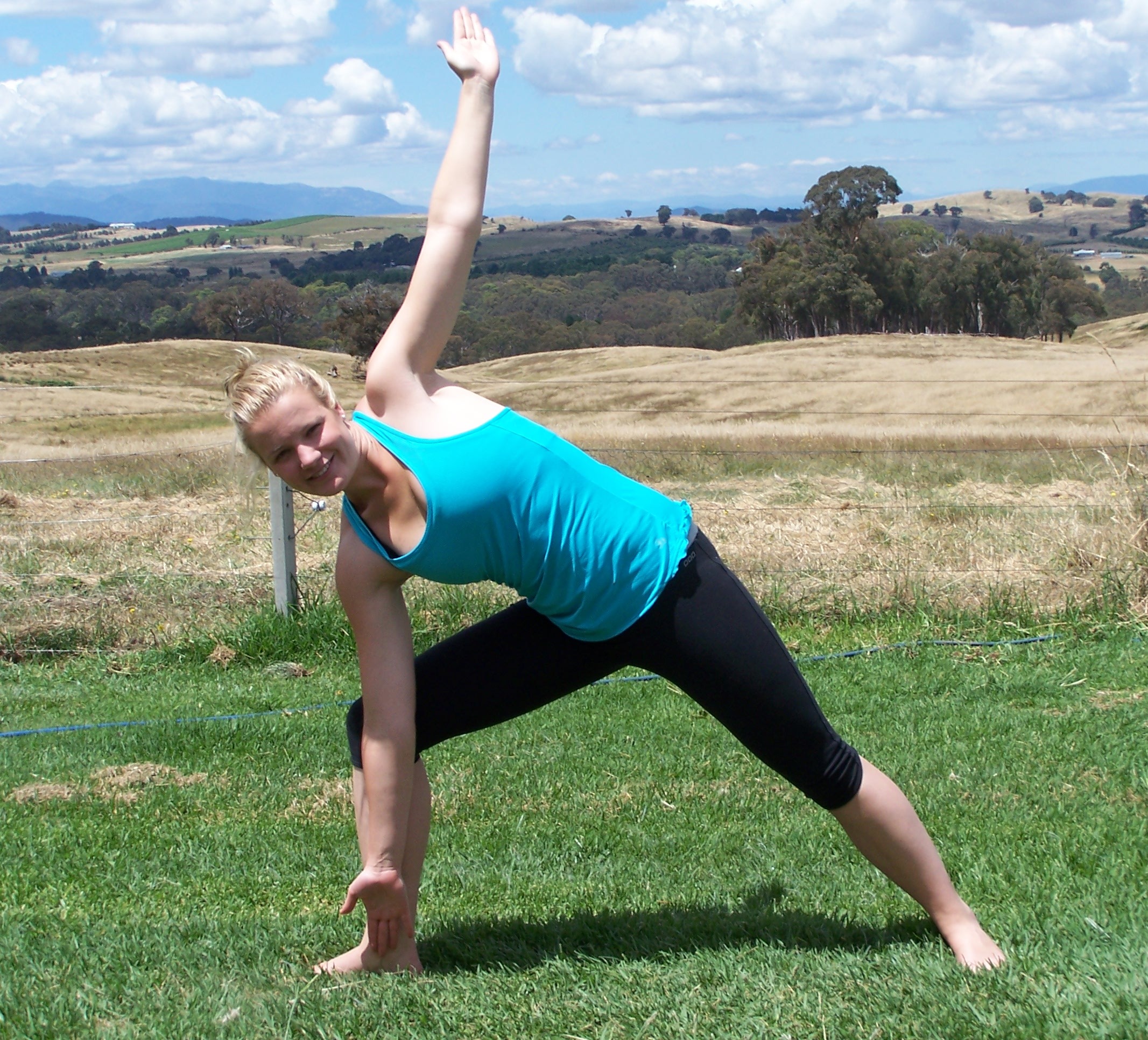
Photo: Asana...;-) :D


For more reading on Dharma:

Yoga Darshan Vision of the Upanishads by Sw Niranjananda Saraswati, Yoga Publications Trust, Munger, Bihar, India 2002

http://www.yogamag.net/archives/1998/esep98/dharma.shtml


Changing seasons, changing direction

Having just returned home from a wonderful yoga retreat in Bali with One World Retreats I have found myself looking out at the most glorious autumn color here in Beechworth.

autumn

The retreat in itself was a great opportunity to stop, reflect, challenge myself and meet new friends but returning home has reminded me that with the changing of each season we also get the opportunity to stop, reflect and challenge ourselves…you may even meet new friends ..people who will help you on your journey of inner discovery.

As the trees prepare for winter by shedding their leaves so too can we prepare for the next stage in our lives by looking at what is no longer serving us and letting it go.

We had a lovely ceremony in Bali where during the week each person was asked to write down on small bits of paper what we would like to let go of and at the end of the week we gathered together to burn these unnecessary thoughts or behaviors and send them off down the river with a colorful spray of flowers.  It was very moving for all and I somehow suspected that much of what we had written down would be the same! Bali retreat

We often find ourselves plagued with doubts, fears and negative thoughts,  all of which do nothing to serve our higher purpose but these patterns of thinking can be very hard to let go of as they are quite entrenched. The old saying that what you practice you get good at comes to mind here!!

So here is the challenging part!  To look closely at ourselves…not with anger and judgement but simply to observe the way we think and behave.  The practice of silence or mauna is a wonderful way to do just this.    Learning to be silent is a practice of pratyahara or withdrawal of the senses.  According to Swami Sivananda the practice of mauna develops will power.  It checks the impulse of speech and is a great help in the observance of truth.   Spend some time each day not interacting just watching and notice what is going on…you may be surprised! You may notice thoughts and patterns that you want to let go of and just like the autumn trees you can choose to release them.  You may even like to create a small ceremony for yourself ..using the autumn leaves.  It is up to you.

I know that it is not easy to let go and it may be that this becomes a regular practice of yours but then again the changing of the seasons is a regular practice too!


Getting to the core of the matter

Well hello again to all my yoga friends. I wanted to share with you a few thoughts on the notion of core strength as it is certainly something that has been a focus in most of my classes.  It became very popular to talk about “activating the core” with the increasing interest in Pilates many years ago and although perhaps not always discussed in terms of “core strength” it is still very much a part of a good yoga asana practice.  It is more often referred to as developing abdominal strength and there are specific asanas that work this area of the body.  However we are not merely talking about the rectus abdominus or “six pack” as is commonly identified with your abs but the deeper muscles of the abdomen including the transverse abdominus, the obliques, multifidus, diaphragm and pelvic floor.

Developing strength in this area is important because it is these muscles that support the lower back in particular and play a significant role in posture. As we age our abdominal strength can be diminished through lack of exercise, childbirth and poor postural habits.  By including regular practices that maintain and strengthen the core you will definitely help to support your back and experience less back pain.  Many of the practices found in the PMA 2 series of the asana handbook by Sw Satyananda  focus on this muscle group.  These include the boat pose (Naukasana),  leg raises (Paddotthanasana) cycling (Pada  Sanchalanasana) and many more.  Stronger practices can be found in the plank pose (Santalonasana), the spinal column pose (Merudandasana) and of course any balance pose will rely on core strength to maintain stability.

Is core strength just about strong abdominal muscles then???

I personally think Manipura Chakrathere is much more to it as this area of the body coincides with the energy centre or chakra known as Manipura chakra. Manipura chakra is symbolised by a bright yellow lotus with ten petals,  a fiery red triangle, the yantra of agni tattwa, or  fire element and is the seat of the digestive fire or agni.  The animal which serves as a vehicle for Manipura is a the ram, the symbol of assertiveness and energy.   So  this is the chakra which is  involved in self-esteem, warrior energy, and the power of transformation.

A balanced, energised  third chakra helps us to overcome lethargy (Tamas). It can kick-start our way of being and attitude so that we can take risks, assert our will, and assume responsibility for our life. This chakra is also the place of our deep belly laughter, warmth, ease, and the vitality we receive from performing selfless service or karma yoga.

Manipura chakra  is closely connected to the psyche and it is often the case that psychic problems give rise to digestive problems. For example, many people react to fear or stressful situations with abdominal pain or diarrhoea. Building strength in Manipura is way to help manage stress and anxiety.

Self-awareness and self-confidence are other pearls of the Manipura chakra. 

So when you are practicing your asana to build your core strength try to keep your awareness at Manipura…..to feel the strength building not just in muscles but in your whole being.  You may even want to mentally repeat the bija  mantra Ram!

Meditation in the Desert

Having just returned from a 10 day retreat on Meditation in the desert of Northern Territory I can honestly say that it was one of the most challenging things I have done.  Each day was broken up into 45 minute meditation sessions, including walking meditation interspersed with other activities.

DSC_0573

The first thing I found challenging was the environment.  Beautiful as it was in a very raw and earthy way it was also very hot and windy and it was the first time I had needed a fly veil to practice my meditation. (very annoying when the little devils managed to sneak under occasionally and get trapped!!) Needless to say here I had the opportunity to reflect on the importance of creating an environment conducive to meditation and then settling in to “as good as it’s going to get”  It was interesting to watch my ability to develop a “let go” approach to all things beyond my control.  A great start for any meditation practice!

The second challenge was the sheer number of meditation sessions.  I like  to practice meditation in the mornings before breakfast and last thing at night. Now I found myself  doing 5 or more sessions a day and again there was a learning opportunity here.  Why was it that I felt I should be doing something else?  It seems that I had placed a value on meditation only if it fitted in with the rest of my life.  Well of course out there in the desert there really was nothing else I had to be doing but I was somehow conditioned to feel that simply sitting doing “nothing” was idle  of me!!  This took a few days to leave me and once I settled into the pace of the desert I found it much easier.

The final challenge was actually getting sick whilst I was there and wrestling with my ego’s need to be “doing everything”  and my body’s need for time out to rest and recover.  I had to find that compassion for myself….to let go once again!

So whilst I did not wander the desert eating locusts and wild honey I did experience the soul-searching that occurs when you remove yourself from the familiar and your comfort zone.

So what were the benefits you might say??  Well it is a truly wonderful experience to meditate with others.  We had a big group of about 40 people and the positive energy of the group was just marvellous.  I would recommend group meditation to anyone who is thinking about beginning a practice.  You may have even begun some meditation practices in your yoga class.

Another great benefit was having the opportunity to practice walking meditations.  I have done some of these at the Ashram before but have never really integrated them into my practices.  It was exciting to walk in such an ancient land and feel the connection to the earth below whilst carefully focusing on the breath not the scenery and then when we did some whole senses walking I was amazed at just what I could see, hear, smell, feel and even taste (though  I think this was mainly dust!) Opening up to all of your senses gives you the perfect opportunity to be fully present.

Each day we had a teaching session on meditation which built on my previous knowledge and gave me many new insights into ways to approach meditation. More on this in the next post.  So to sum up for now …

  • Meditation is about letting go!
  • Meditation can help you learn more about yourself
  • It is Ok to sit quietly in the moment…you are not being lazy!
  • Maintain that compassion for the self!
  • Meditating with others can be a very enriching experience
  • Vary your meditation practice by including a walking meditation

DSC_0591

Maintaining the momentum

Have faith ...keep following the path.

Have faith …keep following the path.

One of the difficulties you can encounter when you commit to any significant change in your life is maintaining the momentum.  People often come to yoga because there has been an impetus for change in their life.  They have decided that they need to “become more flexible”, “learn to relax” or “combat stress”.  Whatever the reason for commencing yoga there is guaranteed to be some benefits that you never expected and some times when you feel that because of changes in your circumstances or health,  it is difficult to maintain.

How do you maintain that momentum?  Well the first thing to realise is that yoga is all about listening to your body.  In some instances your body may just need some rest.  There may be times when the most important part of your practice is simply doing a yoga nidra and some breathing practices.  At other times sitting quiet and still for meditation may seem impossible and what is really needed is some solid asana practice to ground yourself.

Listening to where you are at is the first part, having compassion for yourself is essential.

That is a little harder for most of us. Living in a world where we are supposed to “toughen up”, “be strong” and “keep on going” is not such a compassionate place to be. Compassion requires really opening the heart and listening ….listening to the birds, listening to the breeze, listening to the breath, listening to the feelings and often makes one feel vulnerable but vulnerability in itself is a beautiful and honest expression of self. It does not mean that you put up with everything that is thrown at you and devalue your worth but it means being true to who you really are…that wonderous inner spirit of self.

So if you are having trouble hanging in there ….STOP…listen and love. Be gentle with the practices, do only what feels right not what you think you ought to be doing or what you used to be able to do and you will soon find that yoga WILL bring you back to your equilibrium, BUT please be patient !!!


See the world from a different perspective

Do you remember when you were a child and you hung upside down on the monkey bars with your arms dangling in the air?  Or perhaps it was when you were on the trapeze swing, gliding through the air, your hair hanging down and the breeze in your face?  How much fun it was to see everything upside down..it made you feel like Alice in Wonderland at the Mad Hatters tea party.  Notbirds of a feather 2010hing seemed  the same.

There is something quite invigorating in changing your perspective and seeing things differently and the yogic practices of inverted asanas provide you with just that opportunity.   We can all get “stuck” in our way of seeing things or doing things – being led by the ego and striving to fulfill our desires or feeling that we are “right”.  Often it is necessary to break that pattern by getting out of our comfort zone and “tipping everything upside down!”  I regularly open my eyes and look behind me whilst practising Parvatasana (mountain pose or downward dog as it is known in some traditions).  It always surprises me, makes me smile, reminds me that there is more than one way of viewing things  and I feel so  refreshed  when I come back to upright.

Of course that is the point of inverted asana, they do turn everything upside down not only on a physical level but also on an emotional and psychic level, throwing new light on old patterns of behaviours and being.  Thus giving you the opportunity to reflect, to modify and change habitual practices.

From a purely physical point of view, the inverted asana, by reversing the action of gravity on the body, provides a rich blood supply to the brain, nourishing neurons and helping to flush out toxins.  The accumulated blood and lymph in the lower limbs is drained and purified with fresh oxygen.  The pituitary gland, a tiny organ near the top of the spine in the brain, is stimulated and this adjusts the whole endocrine system.

Whilst Parvatasana and Pranamasana (bowing pose) or simply placing the legs up the wall give some of the benefits of inverted asana the stronger inverted asanas like Sarvangasana (shoulder stand), Halasana (plough pose) and Sirshasana (head stand) should only be attempted under the guidance of an experienced yoga teacher as they put quite a bit of pressure on the neck.  These practices are actually contraindicated for people with high blood pressure, back and neck problems.  Women should not practice these asana whilst pregnant or during menstruation.  If you are new to yoga or  not sure if these asanas  would be suitable for you please consult your teacher.

For more information about inverted asana check out the following:

http://www.yogamag.net/archives/1979/ajan79/theryog.shtml

http://www.yogamag.net/archives/1980/ldec80/ed1280.shtml

http://www.ayl.com.au/pdf_docs/Headstand_ART_23.pdf

A Fresh Start

Well, over two weeks in to the start of 2013 and I am curious as to what may have happened to all those well-intentioned New Year’s  resolutions???

It is easy to sit down and wish for things to be different – for life to change in some way.  What is harder is to actually make lasting changes that help us in fulfilling our Sankalpa or resolve.

My daughter was holidaying with me during the festive season and on December 31st she sat down to prepare her vision board.  “You know mum”, she said to me. “Everything on my vision board from this last year has come into being”.  Having thought about this for a while I was able to see the power of the vision board.  Not just a decorative wall hanging but a constant visual reminder of the things that are important to you and that you are working toward in your life.

If you relate this back to the concept of Sankalpa (see Jan 2012 post) in which Swami Niranjan stated, “it is not merely a wish, it is a process of training the mind to develop the will and to develop clarity of thought”. The Sankalpa then works to sustain motivation and drive as you work toward your goal.

So the vision board is really a tool to keep you focused on your life’s  goal.  There may well be a number of other smaller goals that will ultimately help you to realise your life’s goal.  For example a Sankalpa for inner peace may require you to work on your relationships with others and your relationship with the divine.   You may need to change jobs, to root out old ways of behaving and perceiving things, to learn to be content when your usual nature is discontent.   All of the things in this example require effort and work in the present…the vision board reminds you that the present is here and now …not in 2 weeks, 2 months or 2 years from now.  It is what you are working on right now!

The seed of the largest tree begins as a seed..but implanted in its DNA is the potential for the greatness of the tree…it does not know limitation.  Likewise do not let yourself be intimidated by any sense of limitation…allow yourself to reach your full potential in all aspects of your life and if you need another tool to help you, go on…….. make a vision board!   beechworth 014

Using twists to get the kinks out of your life!

There are a number of reasons why you should include a twisting posture in your home practice sessions.  Even the simplest of twists such as Kati Chakrasana or the waist rotating pose can provide excellent benefits such as the toning of abdominal muscles, massage of abdominal organs and stimulation of the digestive system.

According to Bhaktipoornananda, ” When we twist the body it is the thoracic spine that  twists most, not the lumbar spine. When we have one leg shorter than the  other we get a lot of wear and tear on the junction between the 12th thoracic and the 1st lumbar vertebrae because the twist on the pelvis is imbalanced  as we walk. The lumbar spine does not turn much so this lob-sidedness  increases wear and tear on the first vertebra designed to twist (i.e.  12th thoracic).

Meru wakrasana (spinal twist) and ardha matsyendrasana (half spinal twist) are important twisting practices  which keep the whole spine supple without straining ligaments. They should  be practised initially with one hand resting close to the sacrum and the  arm straight so that it lifts the back upright and supports it.”                        (Swami Bhaktipoornananda Saraswati  2000)

Many of the twists are actually practiced from a sitting position you need to prepare sufficiently by strengthening the trunk and developing flexibility in the legs and back…so having a good sitting posture is important.  Often beginners will need to raise the buttocks slightly by sitting on a folded blanket or firm cushion.

Twisting practices help to improve the flexibility of spinal joints and muscles and stimulate the spinal nerves. They encourage digestion  and energy flow in the abdomen.  Twists also promote strength and flexibility in the trunk muscles.

On a psychic or mental level practising twists and learning to relax into these positions will help  you to realise that you can breathe through the more “knotty”or difficult parts of life. That these “kinks” in life merely serve to strengthen our core if we remain centred and move with the flow of breath.

Often people find a great sense of relief after practising twists ….as if the twist itself has allowed something on a deeper level to be released.

As with all asana practice awareness of where your body is at and it’s limitations is important.  Beginners need to be careful not to twist the trunk more than flexibility will allow and those people with serious back complaints would need to consult with their health professional prior to practising.

Mantras matter

The use of Mantras adds a whole new dimension to your yoga practice whether it be simply chanting the Surya or Beeja mantras as you practice the series Surya Namasakara or if you spend some time chanting the Mahamrityunjaya mantra or the Gayatri mantra as part of your home practice.

Both of these mantras like all mantras  have a powerful effect on the body and mind by connecting you to higher vibration, with the mind and body  becoming  filled  with something that is positive and uplifting.

The continued  repetition of the mantras (or just listening to these vibrations) can cause changes within the chanter or even to the environment. Some of the immediate changes include relaxation as the sympathetic and parasympathetic nervous systems are brought into balance. Other potential benefits include improvements in the voice and lifetime changes like attaining self-realization.

According to Swami Niranjananda “mantra  is the force that liberates the mind from bondage”

Many people get caught up in trying to understand the literal meaning of mantras and whilst it is pleasant to know the translation of the mantra it is not essential for the mantra to have its effect.  For it is the vibration that counts.  These ancient Vedic sounds resound within the body and the external environment, uplifting both energy levels and thought patterns.

To hear the Gayatri  Mantra go to http://www.satyananda.net/prasad  and go to audio then  Gayatri Mantra

(try listening to this without knowing what the words mean first!!!!….then if you must know check out the next post!)

for more on Mantra……

http://www.yogamag.net/archives/1980/fjune80/manmind.shtml